Start With a Clear App Vision Before Hiring a Development Company
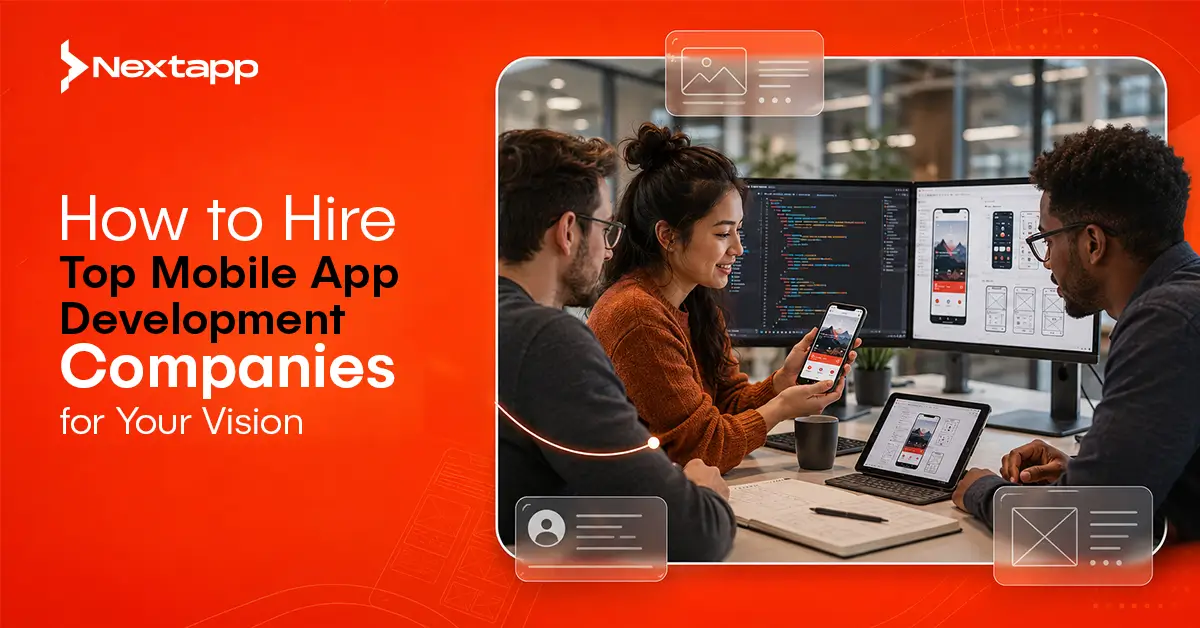
Before you contact mobile app development companies, define your app vision as clearly as possible. You do not need a complete technical document at the beginning, but you should understand what problem the app solves, who will use it, and what success looks like.
A vague idea such as “I want an app like Uber” or “I need a social platform” is not enough for accurate planning. The more specific your early direction is, the easier it becomes for a development company to estimate scope, timeline, and cost.
Start by listing the main purpose of the app and define whether it requires Android app development iOS app development, or wearable app development. Decide whether it is for customers, employees, partners, or public users. Identify the core features users need on day one. Separate essential features from future enhancements. This step helps avoid bloated proposals and unnecessary spending.
A strong app vision should include the app’s target audience, business model, key features, preferred platforms, design expectations, integrations, security needs, and launch timeline. These details will help vendors understand whether they are a good fit for your project.
Define Your Hiring Criteria Before You Start Shortlisting Vendors
Hiring criteria help you compare mobile app development companies objectively. Without clear criteria, it is easy to choose based on a polished sales call, low pricing, or an attractive portfolio without understanding whether the company can actually deliver your app.
Your criteria should cover technical evaluation, portfolio review, industry experience, team qualifications, communication quality, pricing transparency, support terms, and delivery track record.
A startup founder may prioritize speed, MVP planning, and flexible iteration. An enterprise business may prioritize security, scalability, documentation, compliance, and long-term maintenance. A retail brand may prioritize ecommerce integrations, payment flows, and customer experience.
Your hiring criteria should match your project type. A simple mobile app may not require a large enterprise-level team. A complex fintech, healthcare, logistics, or marketplace app needs deeper technical planning and stricter evaluation.
Build a Smart Vendor Shortlisting Process
Vendor shortlisting is one of the most important steps when learning how to hire top mobile app development companies. The goal is not to contact every company you find online. The goal is to create a focused list of qualified candidates that fit your project.
You can find vendors through search engines, B2B review platforms, referrals, LinkedIn, industry directories, startup networks, and agency comparison websites. Look for companies with experience in your app category or with similar technical requirements.
Start with a wider list, then narrow it down based on relevance. Review each company’s website, case studies, service pages, portfolio, client reviews, team structure, and technology stack. Remove companies that do not show clear mobile app experience or have vague service descriptions.
A good shortlist may include five to eight companies. After the first round of discovery calls, you can narrow the list to two or three serious contenders.
Review the Company’s Portfolio With a Critical Eye
A mobile app development company’s portfolio can reveal a lot about its capabilities. Do not only look at screenshots. A polished interface does not always mean the app is well built.
Review the portfolio for project variety, design quality, industry relevance, platform experience, and complexity. Look for apps similar to your idea in terms of features, user flows, integrations, or business model.
If you are building a marketplace app, look for experience with multi-user roles, vendor dashboards, payment systems, ratings, and search filters. If you are building a healthcare app, look for secure user accounts, appointment booking, patient data handling, and compliance-aware development. If you are building an ecommerce app, look for cart flows, checkout systems, loyalty programs, push notifications, and payment integrations.
Ask whether the company built the entire app or only handled part of the project. Some agencies show work where they only contributed UI design, maintenance, or a single feature. You need to know their actual role.
Evaluate Technical Skills and Development Capabilities
Technical evaluation helps you understand whether the company can build your app correctly, not just sell the idea confidently. The right technical skill set depends on your app’s requirements.
For native iOS apps, the team should understand Swift, Apple guidelines, iOS performance standards, App Store requirements, and device compatibility. For Android apps, the team should understand Kotlin, Android design patterns, Google Play requirements, and performance across multiple devices.
For cross-platform apps, ask about frameworks such as Flutter or React Native. Cross-platform development can reduce time and cost for many projects, but it must be planned carefully to avoid performance issues.
Backend development is equally important. Your app may need APIs, databases, admin panels, cloud hosting, authentication, payment gateways, third-party integrations, analytics, and security layers. A strong development company should explain how the front end, backend, and infrastructure will work together.
Ask about code quality, architecture, testing, deployment process, version control, documentation, and scalability. A good company should be comfortable discussing these areas in simple terms.
Check Team Qualifications and Project Roles
A mobile app is rarely built by one person. A reliable app development company usually provides a team with different roles. These may include a project manager, business analyst, UI/UX designer, mobile developers, backend developers, QA testers, DevOps engineers, and technical leads.
Ask who will work on your project and what each person will do. You should also know whether the company uses in-house teams, freelancers, contractors, or offshore partners. Outsourcing is not always a problem, but lack of transparency is.
Team qualifications matter because app development requires collaboration. A senior developer may design the architecture, while junior developers handle assigned tasks. A QA tester checks bugs and usability. A project manager keeps timelines, communication, and deliverables organized.
The best companies do not hide their team structure. They explain how work is assigned, reviewed, tested, and approved.
Use the Discovery Call to Test Strategic Thinking
The discovery call process helps you evaluate how the company thinks. A weak vendor will simply agree with everything you say. A strong vendor will ask questions, challenge assumptions, and help clarify the product direction.
During the discovery call, notice whether the team asks about your business goal, target users, must-have features, budget, timeline, monetization model, integrations, and post-launch plans. These questions show whether they are thinking beyond development tasks.
A good company should help you identify risks early. They may explain which features should be part of the MVP, which can wait for phase two, and which may increase complexity or cost.
Pay attention to how clearly they communicate. If they overuse technical jargon or avoid direct answers, future communication may become difficult. The discovery call should make your project clearer, not more confusing.
Compare Proposals Carefully Before Making a Decision
Proposal comparison is where many businesses make mistakes. The cheapest proposal is not always the best. The longest proposal is not always the most detailed. The most confident proposal is not always the most realistic.
A strong proposal should include scope of work, features, timeline, technology stack, team roles, deliverables, development phases, testing process, pricing breakdown, assumptions, exclusions, communication process, and support terms.
Compare proposals line by line. One company may include UI/UX design, QA testing, deployment, and post-launch support. Another may charge separately for those items. One vendor may include a full admin panel, while another may only include basic backend setup.
Make sure every proposal is based on the same project scope. If vendors are estimating different versions of the app, you cannot compare pricing fairly.
Look for Pricing Transparency, Not Just Low Cost
Pricing transparency is one of the strongest signs of a reliable mobile app development company. A trustworthy vendor should explain what is included, what is not included, how changes are billed, and what may increase the final cost.
Mobile app development pricing depends on app complexity, platform choice, design requirements, backend systems, integrations, testing needs, security requirements, and maintenance scope.
A low quote may look appealing, but it can become expensive if key items are missing. Some vendors offer low initial pricing, then charge extra for basic features, revisions, testing, deployment, or support.
Ask whether pricing is fixed, hourly, milestone-based, or retainer-based. Fixed pricing can work for clearly defined projects. Hourly pricing may work better for evolving products. Milestone-based pricing is often useful because payments are tied to progress.
Review the Contract Before Signing
Contract review protects both sides. A professional mobile app development contract should clearly define scope, timeline, payment schedule, ownership rights, confidentiality, intellectual property, change requests, termination terms, warranties, and support obligations.
Pay special attention to ownership. You should know whether you will own the source code, design files, app store accounts, documentation, and backend assets after the project is complete.
The contract should also explain how changes are handled. Mobile app projects often evolve during development. A clear change request process prevents disputes over cost and timeline.
If the app involves sensitive business data, user data, financial data, health information, or proprietary technology, legal review is important.
Use NDA and Legal Safeguards When Needed
An NDA can protect your idea, business model, technical concept, or confidential information during early discussions. Not every project needs a strict NDA, but it can be useful when sharing sensitive details.
Legal safeguards should also cover intellectual property rights, data protection, code ownership, confidentiality, and non-disclosure of business information.
For apps in regulated industries, legal protection becomes even more important. Healthcare, fintech, insurance, education, and enterprise apps may require specific data handling, compliance standards, and security practices.
A serious app development company should be comfortable signing reasonable confidentiality agreements and discussing legal safeguards before the project begins.
Check Client References and Reviews
Client references help you understand how the company works after the sales process ends. Reviews can reveal communication quality, reliability, responsiveness, technical ability, and delivery consistency.
Look for detailed reviews rather than generic praise. A useful review mentions what the company built, how they handled challenges, whether they met deadlines, and how they communicated.
Ask the vendor for client references if the project is large. When speaking with references, ask practical questions. Did the company meet expectations? Were there hidden costs? Was the team responsive? Did they solve problems well? Would the client hire them again?
Past client experience is often one of the best indicators of future performance.
Evaluate Delivery Track Record
Delivery track record matters because mobile app development involves deadlines, dependencies, and technical decisions. A company may have talented developers but poor delivery management.
Ask how the company manages timelines, sprints, approvals, testing, and launch preparation. Agile development is common, but the process must be structured. Weekly updates, sprint reviews, milestone approvals, and testing checkpoints help keep the project under control.
Ask what happens if a deadline is missed. Reliable companies do not pretend delays never happen. They explain how risks are communicated and resolved.
A strong delivery process includes planning, development, QA testing, client feedback, deployment, and post-launch monitoring.
Look for Domain Expertise in Your Industry
Domain expertise can save time and reduce risk. A company with experience in your industry may already understand common user expectations, compliance concerns, integrations, workflows, and monetization models.
For example, a fintech app requires knowledge of security, payment processing, identity verification, and compliance. A fitness app may need subscription flows, wearable integrations, workout tracking, and user engagement features. A marketplace app may need vendor management, search filters, secure payments, reviews, and dispute handling.
Domain expertise is not always mandatory, but it can be valuable when the app has industry-specific requirements. If a company lacks direct experience in your industry, it should still show strong research ability and product thinking.
Assess Innovation Capability and Product Thinking
Innovation capability does not mean adding unnecessary advanced features. It means finding smart ways to improve user experience, reduce friction, and support business goals.
A strong mobile app development company should think like a product partner. It should help you refine features, simplify user flows, improve onboarding, and identify opportunities for future growth.
Ask how the company handles product planning. Do they create wireframes? Do they test user flows? Do they suggest better feature prioritization? Do they think about analytics, retention, and scalability?
The best teams do not just build what is requested. They help shape the app into a better product.
Review Support and Maintenance Terms
Support and maintenance terms are important because the project does not end at launch. Apps need updates, bug fixes, operating system compatibility checks, security patches, performance monitoring, and feature improvements.
Ask what happens after the app is launched. Does the company offer free bug fixes for a limited period? Do they provide monthly maintenance plans? How quickly do they respond to urgent issues? How are new features priced?
Mobile platforms change frequently. Apple and Google update requirements, devices evolve, and user expectations shift. Without maintenance, even a well-built app can become outdated.
A good development partner should offer clear post-launch support options.
Evaluate Communication Quality Throughout the Process
Communication quality can make or break an app development project. Even talented teams can create frustration if they do not communicate clearly.
Look for responsiveness, clarity, honesty, and organization. The company should explain technical decisions in a way you can understand. It should provide regular updates and ask for feedback at the right stages.
Ask which tools they use for communication and project management. Common tools include Slack, Trello, Jira, Asana, ClickUp, Figma, Notion, and email. The specific tool matters less than the consistency of updates.
Good communication creates trust. Poor communication creates delays, confusion, and scope disputes.
Consider Scalability of Engagement
Scalability of engagement means the company can support your needs as the app grows. You may start with an MVP, then need more developers, new features, advanced integrations, or long-term product support.
Ask whether the company can scale the team if needed. Can they add developers, designers, QA testers, or DevOps support? Can they support future versions? Can they maintain the app after launch?
A company that can only handle the first version may not be the best long-term partner. If your vision includes growth, choose a team that can grow with the product.
Watch for Red Flags in Hiring
Red flags in hiring should not be ignored. A vendor may appear professional at first, but certain warning signs can reveal future problems.
Be cautious if a company gives an instant quote without understanding the project. Be careful with vendors that promise unrealistic timelines or guaranteed success. Watch for vague contracts, unclear ownership terms, poor communication, missing case studies, generic proposals, and reluctance to discuss technical details.
Another red flag is a company that agrees to everything without asking questions. Good developers know every feature has trade-offs. They should help you make informed decisions, not simply say yes to close the deal.
Low pricing can also be a warning sign if it seems far below other proposals. It may indicate poor planning, hidden costs, inexperienced developers, or reduced quality.
Build a Practical Evaluation Scorecard
An evaluation scorecard can help you compare mobile app development companies fairly. Rate each vendor across the same categories, such as portfolio quality, technical capability, team qualifications, pricing transparency, communication, industry experience, contract clarity, support terms, and delivery track record.
You can use a simple score from one to five for each category. Add notes after every discovery call and proposal review. This helps you avoid making a decision based only on emotion or price.
The best vendor may not score highest in every category, but it should score strongly in the areas most important to your project.
Final Checklist Before You Hire a Mobile App Development Company
Before hiring, make sure you have reviewed the company’s portfolio, technical skills, proposal, pricing, contract, communication process, and support terms. Confirm who will work on the project and how delivery will be managed.
Ask for clarity on app ownership, source code access, design files, backend access, testing process, deployment support, and maintenance options.
A strong mobile app development company should make you feel more confident about your vision. It should bring structure, technical knowledge, strategic thinking, and honest guidance to the process.
Final Thoughts
Learning how to hire top mobile app development companies is about more than finding developers. It is about choosing a partner that can understand your vision, translate it into a practical roadmap, and build an app that supports real business goals.
The right company will ask thoughtful questions, explain trade-offs, communicate clearly, and provide transparent pricing. It will have a strong portfolio, qualified team, reliable delivery process, and clear support terms.
A mobile app is a serious investment. Taking time to evaluate vendors carefully can save you from costly mistakes and help you build a product that is stable, scalable, and ready for users.
Frequently Asked Questions
How do I choose the best mobile app development company?
Choose the best mobile app development company by reviewing its portfolio, technical expertise, client references, pricing transparency, communication process, team qualifications, and delivery track record. The right company should understand your business goal and offer a clear plan for building the app.
What should I ask during a discovery call?
Ask about the company’s experience with similar apps, recommended technology stack, development process, project timeline, pricing model, team structure, testing process, communication method, and post-launch support. The discovery call should help clarify your app vision and reveal how the company thinks.
How important is portfolio review when hiring app developers?
Portfolio review is very important because it shows the company’s design quality, technical experience, industry exposure, and project complexity. Look beyond screenshots and ask what role the company played in each project.
Should I hire a local or offshore mobile app development company?
Both local and offshore companies can work well if they have the right skills, communication process, and delivery structure. The choice depends on your budget, time zone preference, project complexity, and need for direct collaboration.
What are the biggest red flags when hiring a mobile app development company?
Major red flags include unclear pricing, vague contracts, poor communication, unrealistic promises, no portfolio, weak technical explanations, missing client references, and reluctance to discuss ownership rights or support terms.
Why is post-launch support important for a mobile app?
Post-launch support is important because apps need bug fixes, updates, security patches, performance improvements, and compatibility checks after release. A reliable development company should offer clear maintenance and support options.